Introduction
Indoor advertising continues to shape how brands in the Philippines build visibility in high-traffic environments, especially in malls and transport terminals where many Filipinos pass by daily. Because millions visit popular malls, queue on train platforms, or both, it would be a massive missed opportunity if you can’t bring your brand to them.
Aside from the high foot traffic, bringing your out-of-home (OOH) ads into retail and transport hubs allows you to reach people with purchasing power and intent. Who knows? Your catchy ad may be the final nudge someone needs to buy your product.
In this article, we will walk you through the world of OOH indoor advertising, including its types and benefits. By the time you finish reading this, you will be equipped with helpful knowledge to start your own campaign on the right foot.
What Is Indoor Advertising?
Indoor advertising refers to promotional messages displayed in enclosed public or commercial environments, such as malls, transport stations, office buildings, and retail outlets. These ads come in various formats depending on their placements. For instance, retail establishments have banner ads and wayfinding signage, while office lobbies use LED screens and posters.
Brands can leverage the proximity and relevance of indoor ads when they are placed strategically and contextually. Strategic, in this case, means placing the ads where a maximum number of people can notice them at a glance. Contextual, meanwhile, means the promotional message is in harmony with how the public uses the space.
Take, for instance, a mall’s touchscreen map or wayfinding system. A certain phone brand may acquire a placement on this digital map, perhaps serving as a screensaver when the kiosk is not in use. Mallgoers who need directions will naturally approach the wayfinder and are likely to notice the phone brand before tapping the screen. The strategy is subtle, but with enough repetition, it can boost recall and help make your brand a top-of-mind option.
Types of Indoor Advertising in the Philippines
Before starting an indoor advertising campaign in the Philippines, you should learn the types of formats you can use to reach your target audiences. Ideally, you would want to combine the following formats to reach as many people as possible.
Mall Advertising
Mall advertising is a prominent indoor format that takes advantage of the steady flow of shoppers in Philippine retail spaces. Think banners at the mall’s entrance, posters wrapped around columns, kiosk ads near escalators, and LED displays on glass walls. When strategically placed, these ad assets enable your brand to connect with audiences who already have purchase intent.
You can also use mall ads to reinforce brand recall, which can later influence your target audience’s purchasing decisions. Repeat your message several times, and frequent mallgoers will eventually remember your brand and want to check it out the next time they visit.
Digital Signage Advertising
Digital signage advertising uses LED screens, video walls, and interactive displays to deliver dynamic content to mallgoers and commuters in the Philippines. This format enables real-time updates and visually engaging campaigns that adapt to audience behavior or seasonal promotions, making it particularly effective if your brand is seeking modern, high-impact messaging.
The digital format, with its interactive features, is perfect for stopping mallgoers in their tracks. Showstopping motion graphics and tactile opportunities can both attract attention and encourage people to engage with your message. The more compelling your messaging is, the more likely it is to stick in mallgoers’ minds. But getting noticed isn’t the end goal (you want them to contact you or buy from you), so don’t forget to include a clear call to action at the end of your signage.
Point-of-Sale Advertising
Point-of-sale (POS) advertising refers to promotional strategies in the Philippines that target audiences who are ready to buy. A simple example is a display of sweets at the cashier area; some grocery shoppers see a chocolate, feel a craving, and pick up one or two as they move forward in the queue.
Aside from strategic product placements, your brand can employ tactics such as video ads, special shelf displays, and gift cards placed in-store where many buyers can see them. The key is to make your brand’s messaging influence purchasing decisions near the end of the transaction process; when done right, this ad format can increase your brand’s sales and enable recall and loyalty.
Transit Advertising
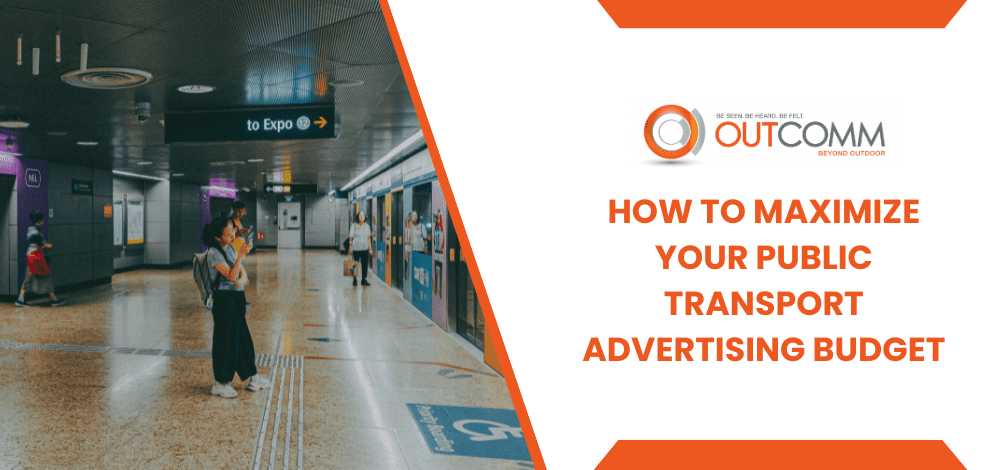
In the context of indoor advertising, the transit format refers to the ads your target audience sees inside a terminal, particularly near ticketing stations and waiting areas. Placing your ads in these locations can increase awareness and recall of your brand because most commuters use these spaces regularly, especially employees and students.
One unique way to leverage transit advertising is to include your brand in wayfinding signage. A subtle logo included in safety reminders, for instance, can help frame your brand as caring and helpful. Repeat this messaging enough, and you may find more people wanting to learn more about what you offer.
Benefits of Indoor Advertising
Launching an indoor advertising campaign in the Philippines, given its high traffic potential and numerous placement options, is reason enough to consider this strategy. Doing so is especially helpful if you’re aiming to widen your reach and increase awareness of your brand.
But to make your campaign more effective, keeping in mind the benefits of this strategy can help you make more informed decisions when crafting your ad messaging.
Captive Audience
You automatically acquire an audience when you launch an indoor advertising campaign. Specifically, you are targeting audiences who already frequent the locations where you place your ads. For example, if you want to promote your restaurant, which has a branch in the mall you’re advertising in, you may place your ads near the escalators or adjacent wayfinding signs to guide people looking for a dining place.
The more relevant your ads are to the setting, the more likely the crowd will take notice. Going back to the restaurant ad, you can promote your branch’s new menu items by placing a flip card on the diner’s table or tucking in a leaflet on the menu booklet. It’s a way to increase your revenue and, if your new meal proves to be amazing, an effective tactic to keep customers coming back.
Targeted Placements
Advertising indoors takes advantage of the long dwell times in enclosed spaces, and you want your ads to be visible to as many people as possible during these periods. Fortunately, you can ask your trusted advertising agency to recommend ideal placements. The usual targets will likely include around waiting areas, adjacent escalators and elevators, and in-store checkout counters, where people usually pause walking to queue.
Similarly, you can make your brand top of mind by showing it early in the buyer’s journey around the mall. You can place an ad along the hallways leading to entrance doors (perfect for malls linked to transport terminals and other retail establishments) and in front of the mall’s entrance. These strategic placements will help nudge your target audiences to check your brand (if they haven’t yet) and remind repeat customers of your products and services.
Creative Opportunities
Indoor advertising assets compete with plenty of stimuli, so you want your ad to be catchy enough to get your brand noticed. Thankfully, setting up a campaign indoors provides plenty of room for creativity. You can use motion in video or graphics to launch dynamic ads, or set up a kiosk with an interactive feature so people can engage with your brand in tactile ways.
For some brands, adding a human element to the advertising campaign works as well. For instance, to promote a hand tool, a staff member can demonstrate how it is used and allow curious bystanders to try it themselves. Brands promoting a paint product, meanwhile, can encourage passersby to contribute to an artwork composed of hand stencils. Aside from pulling the crowd, this tactic can encourage social media shares, which is free marketing for your brand.
How To Maximize Results of Indoor Advertising in the Philippines
You’ve seen the types and the benefits of indoor advertising. Now, you need to combine the two ideas to launch campaigns that yield results. Here are some tips on how to do that:
Leverage Mall Traffic
Place ads at periods when you’re likely to attract the most traffic. Timing your campaigns does two things: Maximize your ad budget and take advantage of the highest possible yields.
One such period when advertising can yield the most results is during a mall’s promo period, which usually occurs near the end of the month. You can also take advantage of celebration months (e.g., Women’s Month) when public transportation often offers discounted or free rides.
Place Ads in Strategic Locations
We can’t stress enough how much more powerful your ads will be if you place them in high-potential locations. The more audience you reach that find your offerings relevant, the better your campaign’s results will be.
Say you’re targeting mallgoers. Launch ads that solve their pain points and needs: tell them a great place to eat with family, the most cost-effective store to shop gifts for special events, or the best item to solve their immediate needs. This type of audience is most likely ready to buy, and your ad can point them to your brand and encourage them to purchase from you.
How Do You Choose the Best Indoor Advertising Locations?
Aside from consulting with expert placement agencies, identifying your advertising campaign goals can inform your tactics. If you want to increase your sales quickly, point-of-sale placements are ideal. But if you want to increase brand awareness first, out-of-store advertising is a non-pushy way to build a positive image with potential customers.
Combine With Online Campaigns
You should also tap into digital marketing and advertising to reach audiences who spend more time online than out of their homes. Online strategies consist of paid cost-per-click ads on search engines, display ads on websites, and paid ads on social media.
One situation where a combination of campaigns can attract more customers is when a father sees a mall ad for a sports shoe brand and then mentions it to one of his college sons looking for a new pair for varsity activities. The son is reminded of a social media ad from the same brand and considers his father’s suggestions. A wide presence targeting the right audience can, hence, help with brand recall and potential sales.
Frequently Asked Questions About Indoor Advertising in the Philippines
How Effective Are Indoor Advertising Campaigns?
Indoor campaigns are highly effective because they can reach audiences in controlled, distraction-free environments. This ensures consistent exposure and improves message retention compared to fast-moving outdoor formats. When strategically executed, indoor placements can significantly enhance brand awareness and conversion rates.
Moreover, repeated exposure within high-traffic venues reinforces familiarity and trust. By combining creative messaging with targeted placement strategies, indoor advertising supports both short-term promotional goals and long-term brand-building initiatives.
What Types of Indoor Advertising Formats Are Available?
Indoor advertising formats vary widely, including mall displays, digital signage, POS materials, and transit-based placements. Each format serves different campaign objectives, from awareness-building to purchase-driven promotions. Understanding these options allows you to develop a comprehensive indoor strategy.
Emerging technologies also introduce interactive formats such as touchscreen displays and immersive installations. These innovations enable brands to engage audiences more dynamically while delivering personalized experiences that align with evolving consumer expectations.
How Much Does Indoor Advertising Cost in the Philippines?
The cost of indoor advertising depends on factors such as placement, format, campaign duration, and audience reach. Premium venues with high foot traffic may command higher rates, but they often provide stronger visibility and engagement potential.
To optimize budget allocation, it is essential to balance cost considerations with strategic objectives. Partnering with experienced providers can help identify cost-effective placements that deliver measurable results while supporting overall marketing goals.
Conclusion
Indoor advertising remains a powerful channel for brands seeking sustained visibility and meaningful audience engagement. Using diverse formats and strategically placing them can help you create impactful campaigns that support both awareness and conversion objectives.
If you’re considering indoor advertising solutions, start consulting with placement agencies like Outcomm. Explore our offerings to discover how indoor campaigns can elevate your brand presence and drive measurable business outcomes.