Introduction
When you hear of out-of-home advertising, what do you think of? Most people would say billboards. But we have long known that billboards are just part, albeit a noticeable one, of a wide range of OOH advertising strategies. Aside from high up, we now see ads at eye level, specifically advertising campaigns targeting pedestrians in the Philippines.
If your brand is not yet tapping into this strategy, this article will give you reasons to finally consider pedestrian-targeted advertising. Read on to learn the ad formats that best connect with the people on the ground and why boosting these campaigns will be good for your brand.
Ways Advertising Campaigns Target Pedestrians
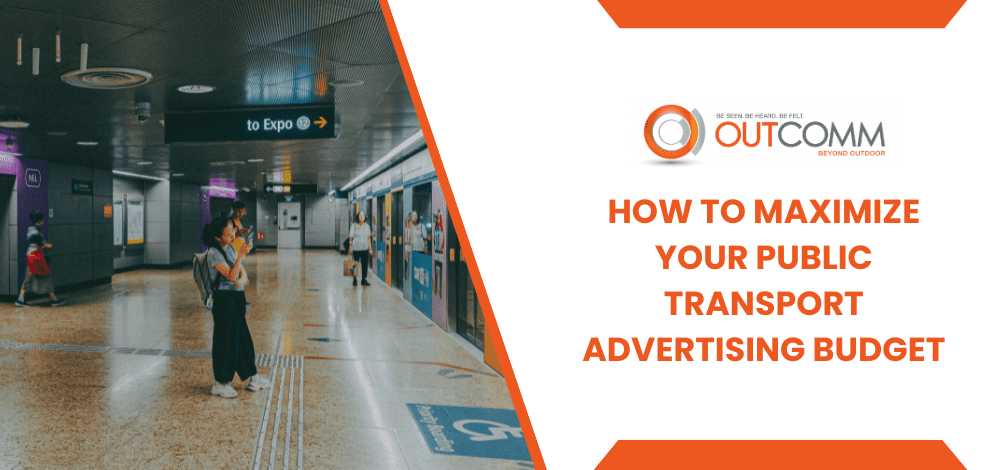
Branded messages can reach people at eye level through transit shelter ads, standalone signage, and transit ads. Ideally, you would test your campaigns across all these types and iterate based on the results. We walk you through each type to help you plan your strategy.
Transit Shelter Ads
A classic example of pedestrian-leaning advertising campaigns is the transit shelter ad. In the Philippines, these ads are also called street furniture ads. They are the promotional messages you see at bus terminals, taxi bays, and waiting areas, where commuters from different walks of life gather.
Transit shelter ads are effective at improving brand recall and message retention because the target audience spends long dwell times in these spaces. Provided your promotional material is attention-grabbing, pedestrians’ eyes will likely linger on the ad longer, which may help your brand connect with your audience.
To highlight your brand’s value, consider contextual advertising strategies that offer commuters comfort and convenience. For instance, if your company sells air conditioning units and aims to increase sales during the dry season, you might want to install a mini fan in the waiting sheds and use a catchy slogan to encourage pedestrians to check out your offerings.
Standalone Signage
Standalone signage ads are noticeable to pedestrians walking on sidewalks or in transport terminal lobbies. They can be straightforward promotional material for your store if you’re located on streets with many passersby; think of cafes with signage outside the store inviting people to come in and take a break.
At other times, standalone signage can serve as a wayfinding element in busy spaces. For instance, you can set up digital signage displaying a map of the terminal stations in a train system to guide commuters. The ideal placement will be at eye level and close to ticketing machines, so the map and your brand are easily noticeable and accessible.
That said, remember to place your ads where they won’t inconvenience passersby and commuters. You would want to make a good impression on your target audience, so you let your ad materials become a source of annoyance. Fortunately, you can ensure you secure the best placements by consulting reliable advertising agencies.
Transit Ads
Transit ads commonly target commuters riding buses, trains, or taxis, but they also affect pedestrians who see these promotional materials as they walk along sidewalks or cross streets. Some passersby may glance at your brand while waiting for the green light, which can serve as a nudge depending on the target audience’s needs at the moment.
Your transit ads are more likely to attract pedestrian attention if you keep your messaging locally relevant. Often, people walking the streets live or work in the area, and many may be looking for a product or service they can access nearby. A bus wrap or a taxi’s top display promoting a spa clinic located in Quezon City is likely to attract pedestrians already in the city, as there are fewer barriers to visiting the business.
Localized ads can further boost results if the pedestrian eventually rides the vehicle carrying the branded message. Inside a taxi or bus, the target audience will continue to see the promotion, which can influence their purchase decisions and plans for the day. Hopefully, that decision will involve checking out your brand.
Reasons To Boost Your Pedestrian-Targeted Advertising Campaigns in the Philippines
Why should you pour efforts and resources into a pedestrian-targeted advertising campaign in the Philippines? You may already have a few ideas after reading the different types of advertisements above. Nonetheless, here are a few more reasons why you should plan for this type of campaign, and plan it as soon as you can.
Captive Audience
Eye-level advertisements targeting pedestrians have a captive audience, as most people who use street furniture regularly frequent these spaces. By reaching the same commuters who see your ads daily, you can build brand recognition faster.
But simply promoting your offers will not yield the best results. If you look at street furniture advertising examples, you will notice that they don’t simply promote a brand; they also shape their assets to connect with users. For instance, a brand promoting a jungle-themed movie may use greenery to stay consistent with their messaging while also providing additional shade for pedestrians. Meanwhile, a skincare brand may focus on promoting sunscreens and products related to shades and sun protection.
Repetition and Recall
Outdoor furniture advertising is a good channel for brand repetition and, eventually, brand recall. Repeat your message enough, and your target audience will gradually adapt your brand and taglines into their lexicon and, hopefully, think of your offer first when they need to buy a product.
That said, repetition without strategy may backfire. To ensure your target audience doesn’t get tired of your messaging, switch it up depending on the situation. You can use the same space for several months, but update the assets so they suit the season or align with current events. Doing so will demonstrate your brand as empathetic, grounded, and relatable.
Social Connection
Pedestrian-targeted ads are effective for forging strong connections with your target audience. The eye-level visibility makes it easier for people to notice and read your ad, which is the baseline for connecting with your target market. Combine that ease with messaging that elicits a positive emotion in your audience, and your brand will enjoy a favorable image.
When you connect with your audience, they will see your brand as a top consideration. Moreover, they will recommend your offerings to their family and friends, effectively helping you with marketing at zero cost.
Localized Opportunities
Because most street furniture ads remain in one place, a localized advertising campaign can yield better results. Think of a waiting shed near a school; if you’re targeting the kids’ parents who are staying in the area to fetch their children, offer them a product or service that they can buy or avail of without going too far.
Say you’re advertising school supplies, then promote a branch nearest the school. Doing so will make potential customers aware of a nearby school supplies shop, which can translate into leads and conversions for your business. Also, similar to other benefits of this type of ad, connecting with an audience where it’s most relevant will help make your brand a top-of-mind option.
Conclusion
Targeted advertising for pedestrians in the Philippines is one way to reach a broader audience. This strategy primarily uses repetition and creativity to hook your target market and help them remember your messaging. When done right, these ads will help rank your brand high on your audience’s list of options.
To succeed in pedestrian-focused advertising, it’s essential to identify the ideal placements within your target area. We can help with that. Contact Outcomm to discover where best to set up your next street furniture advertising campaign!