Introduction
The EDSA Busway is one of many proposed solutions to the traffic problem on Manila’s busiest highway. Since its operation in 2020, the bus carousel has served over 66 million commuters, reducing the hassle for many Filipinos.
From the advertisers’ perspective, this development presents golden opportunities to bring brands closer to your target audience. Ideal advertising placements are not only abundant along its exclusive road strip, but also at the bus stops dotting the busway. As such, there’s no better time to start your bus shelter advertising campaign in the Philippines than today.
In this article, Outcomm helps you get started by providing tips on making the most of these bus shelters for ad placements.
How Bus Shelter Ads Attract Attention
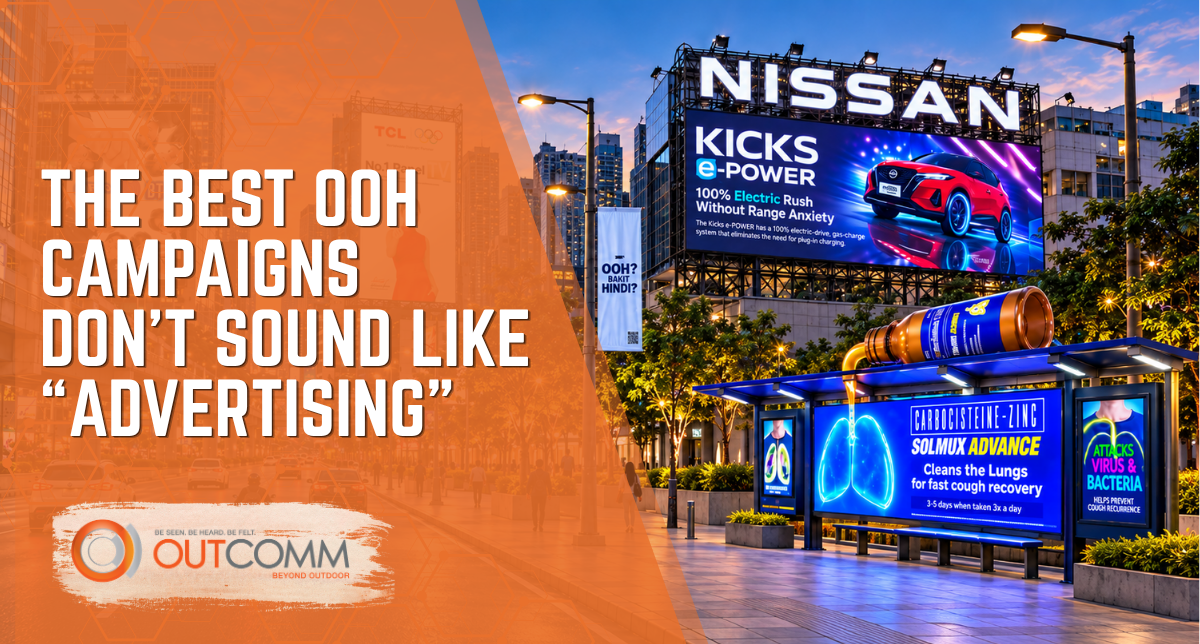
Bus shelter ads leverage the functionality of street furniture to bring messages up close to the audience over longer periods. They’re similar to billboards, but closer to the crowd. Some bus stop advertisements even enable interaction, opening plenty of doors for unique advertising.
Below are some of the qualities of bus shelter advertising that make it worth trying for brands:
Eye Level Visibility
Bus shelter signage is typically installed at eye level, allowing pedestrians and commuters to engage with the message without straining to look up or across busy roads. The eye-level approach, moreover, makes the ad hard to ignore.
Because of the comfortable visibility, pedestrians notice your messaging even when they’re just passing by the bus stop. The hook doubles in impact, of course, when that same pedestrian stays in the bus stop. Combine a natural viewing angle with catchy images, copy, and digital ad techniques, and your brand is more likely to make an impression on the public.
24/7 Exposure
One factor that makes bus shelter advertising costs worth it is the 24/7 exposure it provides. Your ad stays noticeable during the morning rush hour, midday errands, and late-night commutes, as long as commuters and pedestrians are close to the bus stop. In some cases, bus shelter ads are even more noticeable at night, when the street furniture is well-lit and the panels are illuminated.
Additionally, many commuters stay long enough in bus stops to glance at your messaging. During rush hours, dwell time may even extend, allowing for greater visibility and the possibility that the commuter will commit your brand and message to memory.
Localized Messaging
Bus shelters are great channels for localized messaging. After all, each bus stop serves a specific neighborhood, commercial hub, or transit route. The specificity of the locations allows you to craft your advertisement to speak directly to your captive audience. For instance, if a bus stop ad is located near malls, you can tailor the message to appeal to mall visitors with disposable income. On the other hand, ads near universities can promote brands that offer student perks.
Localizing your message requires more time for ideation, conceptualization, and execution. Nonetheless, a tailored ad that resonates with your priority audience is more likely to move the needle. You may take more time and use more resources to tailor your messaging, but if the impact is more substantial, then it’s worth it.
Which Bus Shelter Advertising Format Works Best for Your Target Audience?
When putting up a bus shelter advertising asset in the Philippines, it helps to first learn which approach works best. Ask yourself and your team:
- Which campaign is effective for this audience segment?
- Which format can make this campaign more noticeable to the target audience?
- How can the ad encourage engagement and increase leads?
- How can the team incorporate other advertising channels (such as social media) to extend the reach of the campaign?
Remember, the effectiveness of your campaign depends on matching the format to commuter behavior and intent. Understanding how different groups interact with bus shelters helps you select the right execution style.
Below are practical format recommendations that you can try for your next campaign:
Posters for Regular Commuters
Traditional printed posters remain one of the most reliable formats for bus shelter advertising. They’re effective, particularly for using repetition and recall to imprint the message into the minds of daily commuters who pass the same location.
Additionally, since we mentioned repetition, you should leverage it in your ad design. The core of your concept should lean on consistency — use the same color palette, copy structure, CTA, and tagline to strengthen brand recall. That’s not to say that you reuse angles, phrases, and core messages; it’s the general visual appeal that you should repeat to condition your captive audience to eventually remember your brand even at just a glance. The more familiar the crowd is with your brand, the higher the chance that they will become your customers or clients.
This format is particularly effective for consumer goods, mobile promos, and financial services seeking steady brand recall within a defined area.
Digital Signages for Specific Times
Digital transit shelter ads can rotate dynamic content based on time of day. For instance, morning commuters may see breakfast deals or ride-hailing discounts, while evening audiences are shown dining promotions or entertainment events. This dynamic approach can also elevate your brand if you’re launching limited-time promotions or location-based offers. Such capabilities increase relevance and raise the likelihood that your target audience will do business with you.
That said, digital placements may command higher rates. Still, their ability to deliver time-sensitive messaging can improve your campaign as a whole.
Interactive Ads for Bored Commuters
Waiting for a bus often involves idle time, and you should not pass it up. Specifically, give commuters the chance to fight boredom with your ads by promoting interactivity. Some elements to consider to achieve this idea are QR codes, augmented reality filters, or short mobile games. These additions transform passive viewing into active engagement.
The more creative you get, the higher the chance that people will be interested in what you offer beyond the physical ad. For example, telling your captive audience that scanning your ad’s QR code will unlock exclusive discounts or social media rewards is likely to prompt them to act.
Interactive ads work well for lifestyle brands, tech companies, and entertainment promotions that aim to drive immediate digital engagement.
Place Your Bus Shelter Ads Where They Will Get the Most Attention
Creative execution matters, but placement strategy determines overall performance. That means not all bus shelters can generate the same level of traffic you’re hoping to get.
Fortunately, you can hire out-of-home advertising agencies like Outcomm to help you out. The team can help you assess essential factors before putting up your ad, such as pedestrian flow, nearby establishments, and route popularity. Data like impression volume and audience profile are also helpful for optimizing your campaign.
Outcomm offers street furniture ad placements with high potential, from high-density urban corridors to community-centric neighborhoods, reaching audiences where they naturally gather. With our expertise, we can help you position your campaign for maximum exposure and measurable impact.
Conclusion
Bus shelter advertising in the Philippines is a treasure trove for agencies, provided that you combine its strengths with impactful messaging. With its proximity, repetition, and localized relevance, a bus stop ad may just be the key to elevating your brand to new heights — without you spending too much.
Ready to take advantage of street furniture advertising, particularly bus stop ads? Contact Outcomm today so our team can assist you!